
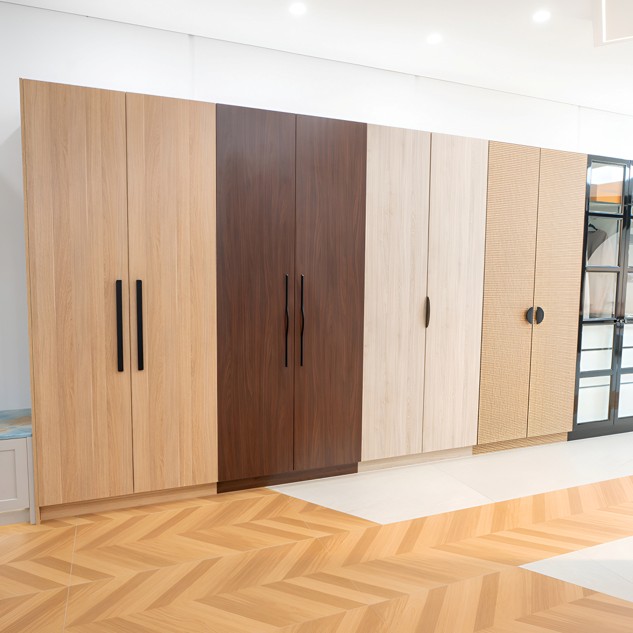
A freestanding wardrobe solves a problem built-ins simply can’t, it moves when you do. At Modern Design Wardrobes, we see plenty of Sydney renters and homeowners choosing freestanding pieces for exactly that flexibility. But not every wardrobe on the market is built to last, or built safely. Here’s what actually matters when buying one.
Table Of Contents
Key Takeaways
- Freestanding wardrobes suit renters and flexible living arrangements.
- Anchoring tall furniture is a genuine safety requirement.
- Material quality affects how well doors and drawers age.
- Measuring the space properly avoids costly mistakes.
- Interior layout matters as much as the exterior finish.
Why Freestanding Wardrobes Suit So Many Households
Freestanding wardrobes have a genuine practical edge over built-ins, they don’t require permanent alteration to a room, and they travel with you when you move. UNSW’s City Futures Research Centre has found that Sydney’s planning policy increasingly delivers micro-apartments aimed at students and young professionals rather than family sized housing, a trend that’s pushed more renters and downsizers toward flexible furniture that doesn’t assume a permanent address. A freestanding wardrobe fits that reality far better than a fitted one ever could. For people living in apartments, rental properties, or changing households, portable storage can provide practical flexibility without committing to permanent built-in cabinetry or major room alterations.
The Safety Detail Most Buyers Miss
Tall furniture carries a genuine safety risk that’s easy to overlook until it’s spelled out. The Australian Government’s toppling furniture information standard notes that toppling furniture has killed at least 28 people in Australia since 2000, including 17 children under five, and causes close to 20 injuries every week nationally. Anchoring a freestanding wardrobe to the wall isn’t an optional extra, it’s a genuinely important step. Renters in particular sometimes worry this means damaging a property they don’t own, but the Tenants’ Union of NSW confirms that under current tenancy law, renters are generally permitted to secure furniture to a wall, excluding tiled surfaces, specifically for safety purposes.
Getting the Measurements Right
Buying a freestanding wardrobe without measuring the space properly is one of the most common and costly mistakes. Houzz’s guide to wardrobe measurements recommends allowing at least 940 millimetres of hanging space for short garments and 1880 millimetres for long ones, figures worth checking against your own wardrobe contents before choosing a size. Door swing also needs genuine consideration, a wardrobe that looks perfect on paper can still block a doorway or walking path once it’s actually installed.
Materials That Actually Hold Up
Not all board materials perform the same over time. Melamine offers a durable, easy to clean surface that resists moisture and daily wear well, which matters enormously for a piece of furniture opened multiple times a day. Cheaper particleboard alternatives can swell or chip far sooner, particularly around drawer runners and hinges that see constant use. Freestanding Wardrobes range at Modern Design Wardrobes uses Australian made 16mm melamine specifically because it holds up to genuine daily use rather than just looking good on day one.
Interior Layout: Where the Real Value Sits
The interior of a wardrobe matters just as much as its exterior finish, arguably more. Compact living is a design problem as much as a size problem, and that every piece of furniture needs to work harder in a smaller footprint. A mix of hanging space, shelving, and drawers, sized to match how you actually store clothes, makes a genuinely bigger difference to daily usability than an extra coat of paint ever will. Thoughtful internal zones can also make seasonal clothing easier to organise, improve accessibility, reduce clutter, and help every section of the wardrobe serve a clear purpose.
Style Considerations Worth Thinking Through
Good storage in a small space is less about buying more furniture and more about using what you have intentionally, choosing pieces that earn their footprint rather than simply filling it. A freestanding wardrobe in a finish that complements the rest of the room does exactly that, adding storage without making a space feel cluttered or mismatched. Consider the room’s flooring, wall colour, lighting, furniture finishes, and overall proportions when selecting a wardrobe style that feels integrated rather than visually overwhelming.
Buying With Confidence
Reading about wardrobes only goes so far, seeing finished examples helps far more when deciding what suits your own space. Our Projects at Modern Design Wardrobes include a range of completed freestanding wardrobe installations across Sydney homes, and our Gallery gives a closer look at finishes and configurations if you’re still deciding what suits your space.
A few things worth checking before you buy:
- Have you measured both the space and your actual wardrobe contents?
- Does the wardrobe come with wall anchoring hardware?
- Is the board material rated for daily, heavy use?
- Does the interior layout match how you actually store clothes?
- Will the door swing or slide clear the room comfortably?
Conclusion
A freestanding wardrobe is a genuinely flexible storage solution, provided it’s measured, anchored, and built from materials that last. Getting these fundamentals right makes all the difference between a wardrobe that serves you for years and one that’s replaced within a few. Ready to find the right fit for your space? Get in touch with our team at Modern Design Wardrobes and we’ll help you choose well.
FAQs:
What is the difference between a freestanding and built-in wardrobe?
A freestanding wardrobe stands independently and can be moved, while a built-in wardrobe is fixed permanently into the room.
Do freestanding wardrobes need to be anchored to the wall?
Yes, anchoring tall furniture like wardrobes significantly reduces the risk of tipping, particularly in homes with children.
Can renters secure a freestanding wardrobe to the wall?
Generally yes, tenancy law typically permits securing furniture to non-tiled walls specifically for safety purposes.
What material is best for a freestanding wardrobe?
Quality melamine offers strong resistance to daily wear, moisture, and chipping compared to cheaper particleboard alternatives.
How much hanging space do I need in a wardrobe?
Allow roughly 940mm for short garments and 1880mm for long garments, though needs vary by wardrobe.
Are freestanding wardrobes a good option for renters?
Yes, they offer flexible storage without permanent alterations, making them ideal for renters who may relocate.